The Most Common Roofing Problems We See in Coastal North Carolina
Summit Roofing
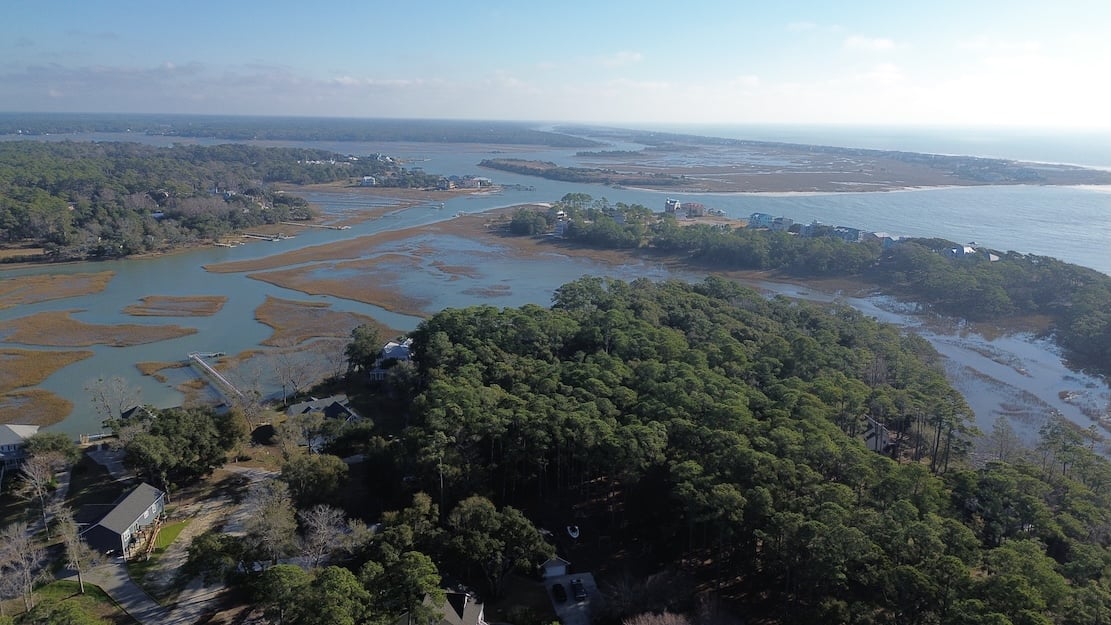
Living near the coast offers incredible views, ocean breezes, and a unique lifestyle. However, coastal living also brings roofing challenges that many inland homeowners rarely experience. Homes in Wilmington and other coastal North Carolina communities are constantly exposed to environmental conditions that place extra stress on roofing systems.
Salt air, high humidity, strong winds, and wind-driven rain all contribute to coastal roof damage over time. Even well-installed roofs require ongoing attention to handle these conditions. Homes in Wilmington, Wrightsville Beach, Carolina Beach, and surrounding coastal communities face these conditions year-round. At Summit Roofing Wilmington, our team repairs and replaces roofs throughout the region year-round, and we consistently see the same types of issues affecting coastal homes.
Understanding these common roofing problems in Coastal North Carolina can help homeowners identify warning signs early and prevent more serious damage.
According to NOAA’s coastal hazard guidance, wind and water hazards associated with coastal storms and hurricanes can cause severe damage to homes if vulnerabilities are not addressed in advance.
Shingles Damaged or Lost from High Winds
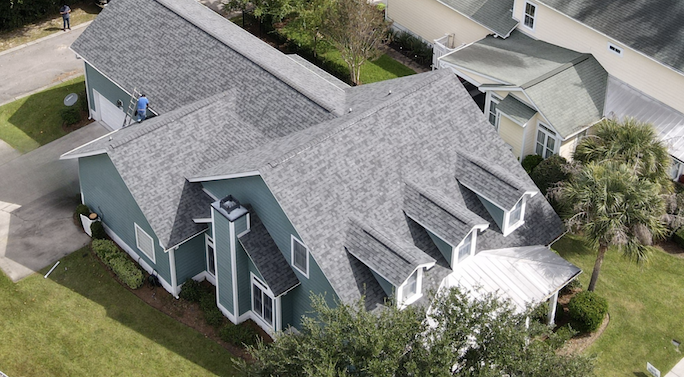
One of the most frequent roof issues in Wilmington, NC, involves shingle damage caused by strong winds. Coastal weather systems often produce steady breezes and sudden gusts, even outside hurricane season.
Wind-driven storms can loosen or lift shingles, especially if the roof is aging or installation was compromised. When shingles begin to lift, they become more vulnerable to further wind damage.
Common signs of wind-related shingle problems include:
- Missing shingles
- Curled or cracked shingles
- Granules collecting in gutters or near downspouts
Once shingles are compromised, the protective barrier of the roof is weakened, increasing the likelihood of leaks.
If wind damage occurs, professional roof repair services in Wilmington, NC, can address missing shingles, flashing problems, and leaks before they cause structural damage.
Flashing and Edge Failures at Roof Transitions
Flashing protects the most vulnerable parts of a roofing system. Along the coast, flashing and roof edges are particularly susceptible to stress caused by wind pressure and moisture exposure.
These areas include:
- Eaves and rakes
- Roof valleys
- Chimneys and wall intersections
- Roof penetrations such as vents or skylights
Wind-driven rain can force water into even small gaps along these transitions. Because flashing failures often develop gradually, homeowners may not notice a problem until water begins entering the home.
Routine inspections help identify flashing issues before they lead to interior damage.
Water Leaks and Moisture Intrusion
Heavy rainfall and repeated storms are a reality for coastal homeowners. Over time, even small vulnerabilities in roofing systems can lead to roof leaks in coastal homes.
Leaks may develop in areas such as:
- Roof seams
- Flashing joints
- Valleys where water naturally concentrates
Common warning signs include water stains on ceilings, attic moisture, or sagging roof decking.
The FEMA coastal flood risk program notes that homes in coastal hazard areas face increased risk from storm-related water exposure, which can weaken structural components and increase the likelihood of moisture intrusion.
Early detection of leaks can prevent more significant structural repairs.
Humidity-Related Issues: Mold, Algae, and Rot
High humidity is a constant factor in Wilmington’s coastal climate. While moisture in the air may seem harmless, it can create conditions that encourage biological growth and structural deterioration.
Humidity-related roofing issues often include:
- Algae streaking on shingles
- Moss growth on shaded roof sections
- Mold developing beneath shingles
- Wood rot in fascia boards or roof decking
Salt-laden air can also accelerate corrosion on metal roofing components such as flashing, fasteners, and vents.
The EPA’s guidance on mold and moisture explains that mold growth often begins when moisture accumulates in building materials. Controlling moisture is one of the most important steps in preventing long-term structural damage.
Salt Air Corrosion and Metal Deterioration
Salt air is one of the most overlooked causes of coastal roof damage. While the ocean breeze is enjoyable, the salt particles carried in coastal air can gradually deteriorate metal components throughout a roofing system.
Over time, salt exposure may lead to:
- Rust on flashing and fasteners
- Corrosion of metal vents
- Reduced lifespan of gutter systems
Regular inspections, cleaning, and protective coatings can help slow this process and extend the life of metal roofing components.
Homes near the coast often require additional exterior protection. Summit Roofing’s siding replacement services can also help protect homes from moisture, wind exposure, and salt-related deterioration.
Poor Ventilation and Heat Stress
Attic ventilation is essential for roof health, especially in humid coastal environments. Without proper airflow, heat and moisture can become trapped inside the attic.
Poor ventilation can lead to:
- Moisture buildup beneath the roof deck
- Warping of structural materials
- Premature shingle deterioration
When warm, humid air accumulates beneath the roof, it can weaken roofing materials from the inside out. Proper ventilation helps regulate temperature and moisture levels, allowing roofing materials to perform as designed.
Debris and Gutter-Related Problems
Coastal storms and high winds frequently deposit debris on roofs and in gutter systems. Leaves, branches, and other debris can quickly accumulate, especially after storm events.
When gutters become clogged, water cannot drain properly. This can lead to:
- Water backing up under shingles
- Moisture damage along roof edges
- Rotting fascia boards
Routine gutter cleaning is one of the simplest ways homeowners can prevent unnecessary roofing damage.
Maintaining proper drainage protects both the roof structure and the home’s exterior.
How Summit Roofing Helps Coastal Homeowners Stay Ahead of Problems
Roofing systems along the coast must be designed and maintained with local conditions in mind. Coastal weather patterns require roofing systems that can handle wind exposure, humidity, and seasonal storms.
At Summit Roofing Wilmington, our team focuses on helping homeowners stay ahead of potential issues through:
- Thorough post-storm roof inspections
- Reinforcement of flashing and vulnerable areas
- Ventilation planning to manage humidity
- Installation of materials rated for coastal environments
Preventative inspections and routine maintenance play an important role in extending roof lifespan.
If your roof is approaching replacement age, learning how to prepare for a new Wilmington roof replacement can help you choose materials and installation methods designed to withstand coastal conditions.
When to Call a Professional Roofing Contractor
While homeowners can often spot obvious issues, some roofing problems develop in less visible areas. Professional evaluations are recommended when certain warning signs appear.
You should contact a roofing contractor in Wilmington NC if you notice:
- Missing or damaged shingles
- Water stains on ceilings or walls
- Rust on metal flashing or vents
- Sagging areas along the roofline
- Persistent moisture in the attic
Timely inspections allow roofing professionals to address small problems before they develop into costly structural damage.
For new homeowners, understanding how coastal weather affects roofing systems is especially important. Resources like What Every New Wilmington Homeowner Should Know About Roofing can help you prepare for maintenance and inspections.
Coastal Roofs Require Extra Attention
Roofs in coastal environments face unique environmental stress that can shorten their lifespan if left unchecked. Wind exposure, salt air, humidity, and heavy rainfall all contribute to the common roofing problems Coastal North Carolina homeowners experience.
Fortunately, many of these issues can be managed through regular inspections, prompt repairs, and materials suited for coastal conditions. With proper maintenance and guidance from experienced professionals, your roof can continue protecting your home for many years.
Concerned about roof damage or need a professional evaluation? Contact Summit Roofing Wilmington for expert guidance and a personalized roof inspection.