
What Should Homeowners Should Check After Every Major Winter Storm?
Summit Roofing
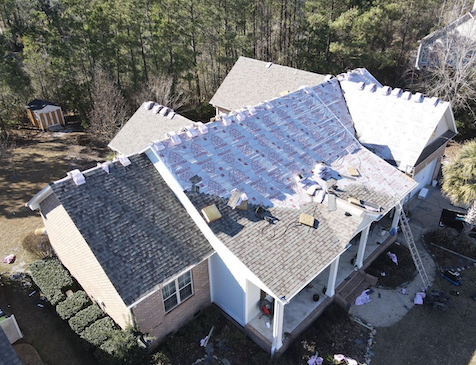
Winter storms do not always leave obvious damage. Even without a fallen tree or shingles scattered across the yard, wind, cold snaps, and heavy rain can loosen roofing components and create weak spots that show up later.
A simple post-storm check helps you catch issues early before they become expensive repairs or stressful emergencies. And in coastal North Carolina, where weather can turn fast, building this habit is one of the easiest forms of roof maintenance you can do.
Just because your roof looks fine after a storm does not mean it is.
Start With a Ground-Level Visual Check
Once conditions are safe (no slick walkways, no active winds), walk the perimeter of your home and look up. You are not trying to diagnose everything, you are looking for obvious “something changed” clues.
Look for:
- Missing, lifted, or crooked shingles
- Shingle debris in the yard or driveway
- Bent metal edges at the roofline
- Flashing that looks peeled back near chimneys or vents
If your roof is steep or hard to see, binoculars can help. The National Roofing Contractors Association (NRCA) also recommends prioritizing safety and avoiding risky DIY roof access, especially after severe weather.
If you see visible damage, this is usually the moment to stop guessing and schedule a professional evaluation. Summit’s roof repair team can confirm what is cosmetic versus what needs attention.
Inspect Gutters and Downspouts
Gutters are one of the fastest ways to spot storm impact, and one of the most common places homeowners overlook.
After a major winter storm, check for:
- Gutters pulling away from the fascia
- Sagging sections or new “tilt”
- Overflow marks on siding
- Debris buildup that traps moisture
When drainage is compromised, water can back up and work under roof edges, especially during windy rain. Clogged gutters are also a contributor to winter home damage (and potential roof leak issues).
If you are noticing drainage problems repeatedly, it is worth mentioning during an inspection because the fix might involve more than “just cleaning gutters.”
Check Ceilings, Walls, and Upper Rooms for Early Moisture Clues
Exterior damage is not always visible, but your home’s interior often shows changes first. In the days after a storm, scan your ceilings and upper walls, especially around vents, exterior corners, and upstairs rooms.
Watch for:
- New ceiling stains or faint discoloration
- Peeling paint near exterior walls
- A damp smell or musty odor upstairs
- Humidity that suddenly feels higher than normal
The EPA is clear on this: preventing mold starts with controlling moisture, so early detection matters.
Even if nothing is “dripping,” these signs can point to slow moisture intrusion that will only get worse with the next round of rain.
Look Inside the Attic (If Accessible and Safe)
If you can safely access your attic (stable stairs, dry surfaces, good lighting), it can tell you what your living room cannot.
Look for:
- Wet or compressed insulation
- Dark spots on decking
- Rust on nails or fasteners
- Daylight peeking through boards (a big red flag)
If you see moisture, take photos and do not ignore it. Wet areas should be dried promptly to reduce mold risk, and hidden areas like attics are commonly overlooked.
And if you are unsure what you are seeing, that is a good reason to bring in a pro rather than climbing around on framing or stepping near unknown weak spots.
Pay Close Attention to Flashing and Roof Penetrations
Flashing is the material that seals transitions where the roof meets a chimney, skylight, vent pipe, or wall. Storm conditions can loosen seals around these points, and flashing issues are one of the most common sources of post-storm leaks.
After a storm, pay extra attention to:
- Chimney edges
- Plumbing vent boots
- Skylight corners
- Any roofline where two surfaces meet
Wind can cause incremental damage over time, not always a dramatic tear-off. NRCA’s guidance on wind-related roof repair notes that strong winds can gradually damage a roof system, and roof inspections after storms should be approached with caution.
If interior stains are appearing near a chimney or a bathroom vent, flashing is often the first place a roofer will check.
Why Small Storm Damage Should Not Be Ignored
Minor storm damage often becomes major damage because water keeps finding the same weak spot again and again. A lifted shingle edge can turn into a leak. A tiny flashing gap can become a recurring ceiling stain.
Early repairs help:
- Prevent interior water damage
- Lower mold risk by reducing ongoing moisture
- Extend the life of your roof
- Avoid “emergency” repair timing (and emergency stress)
If you think you are seeing early storm impact, this is where Summit’s roof repair services are most valuable—fixing small issues before they turn into bigger winter storm roof damage problems.
When to Call a Roofing Professional
Schedule a roof inspection after storm conditions if:
- Your home experienced high winds or prolonged rain
- You notice more than one warning sign (shingles + stains + musty odor)
- You have an older roof or you are unsure of the roof’s age
- You suspect flashing or ventilation issues
- You want documentation for peace of mind or insurance conversations
If you want to know what a professional inspection actually covers, we explain the process in what to expect during a professional roof inspection.
And if the inspection points toward a bigger long-term plan, Summit can also walk you through options for roof replacement so you are making decisions with clarity instead of waiting for the next leak.
A Simple Post-Storm Habit That Protects Your Home
Winter storms are part of life in coastal North Carolina, but roof problems do not have to be. A quick check after every major storm, plus a professional inspection when something feels “off”—is one of the best ways to stay ahead of roof damage Wilmington NC homeowners often miss.
After the next winter storm, do not guess. If you want a clear, honest assessment from a local roofing contractor in Wilmington NC, reach out to Summit Roofing and schedule a post-storm inspection.
.png)